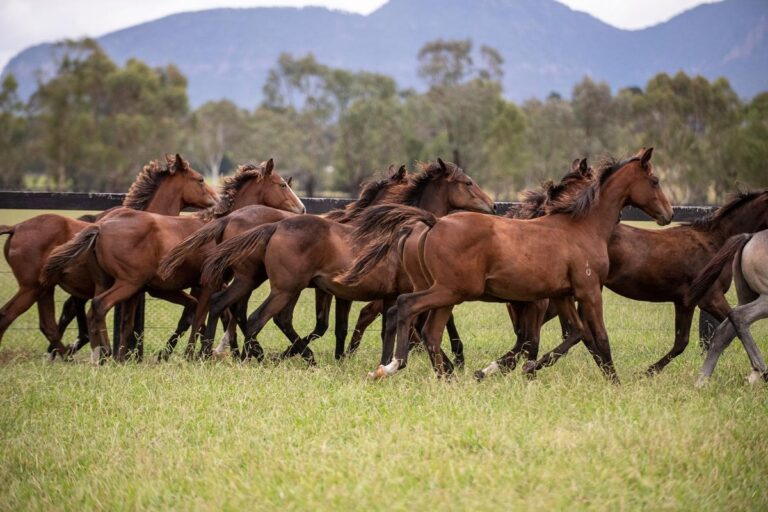
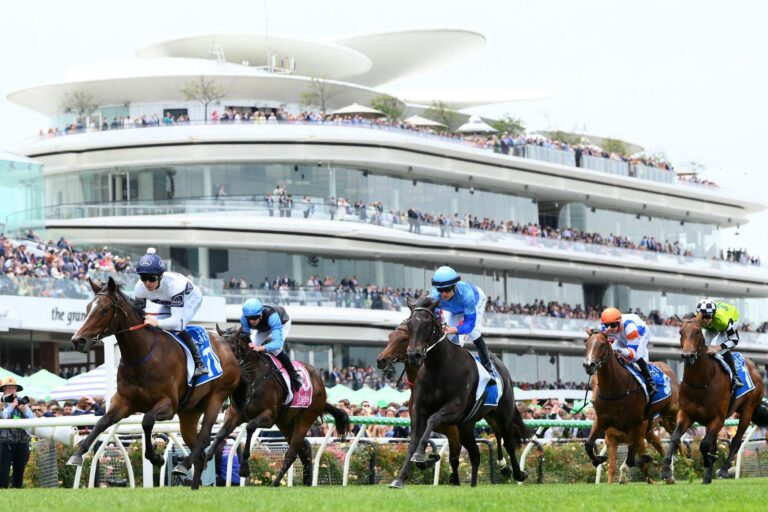
For many horse racing fans, the jockey is the most visible person on the track. When the gates open and the horses charge toward the finish line, jockeys make split-second decisions that can influence the outcome of a race.
But becoming a professional jockey is not an overnight journey. It requires riding ability, discipline, fitness, education, experience and a deep understanding of horses.
In Australia, the pathway can begin at a young age and develop through practical experience, apprenticeships and professional racing opportunities.
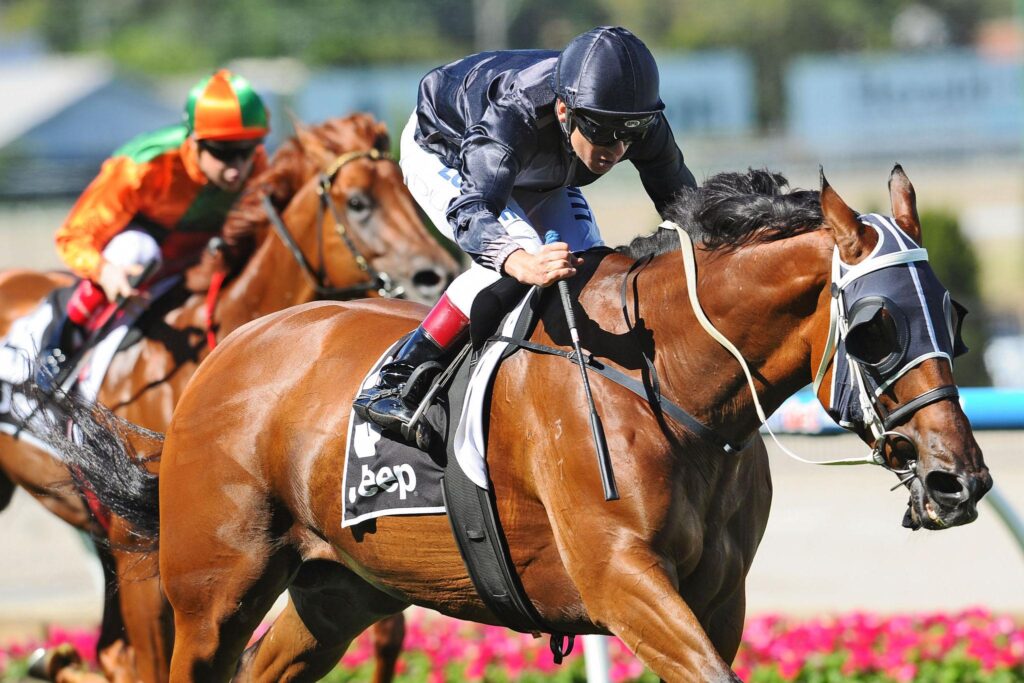
The Journey Begins With a Love of Horses
Most jockeys begin their journey with an interest in horses.
Learning to ride provides the first foundation. Young riders can develop balance, coordination and confidence while learning how horses respond to different movements and commands.
However, riding a recreational horse and riding a thoroughbred racehorse are very different experiences.
Aspiring jockeys eventually need to understand speed, race tactics, positioning and the physical demands of competitive racing.
Step 1: Develop Strong Riding Skills
The first major step is becoming a confident and capable rider.
Aspiring jockeys should develop skills such as:
- Balance and posture
- Control and coordination
- Understanding horse behaviour
- Safe riding techniques
- Communication with horses
- Fitness and flexibility
- Ability to remain calm under pressure
These skills provide the foundation for future trackwork and racing experience.
Step 2: Gain Experience Around Racehorses
The next stage is gaining practical experience in a racing environment.
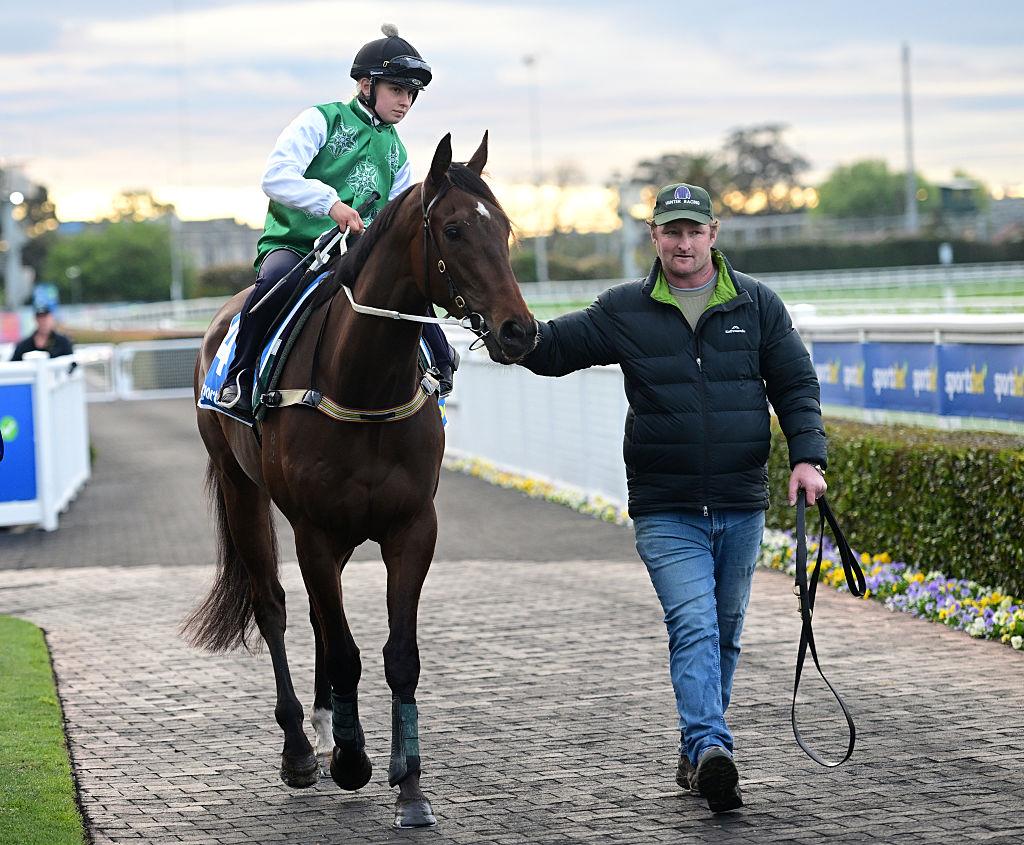
Working around a racing stable allows an aspiring jockey to learn how thoroughbreds are cared for and prepared.
This can include activities such as grooming, cleaning equipment, preparing horses and observing training sessions.
This stage is important because successful jockeys need to understand horses beyond simply riding them.
They need to recognise changes in behaviour, fitness and temperament.
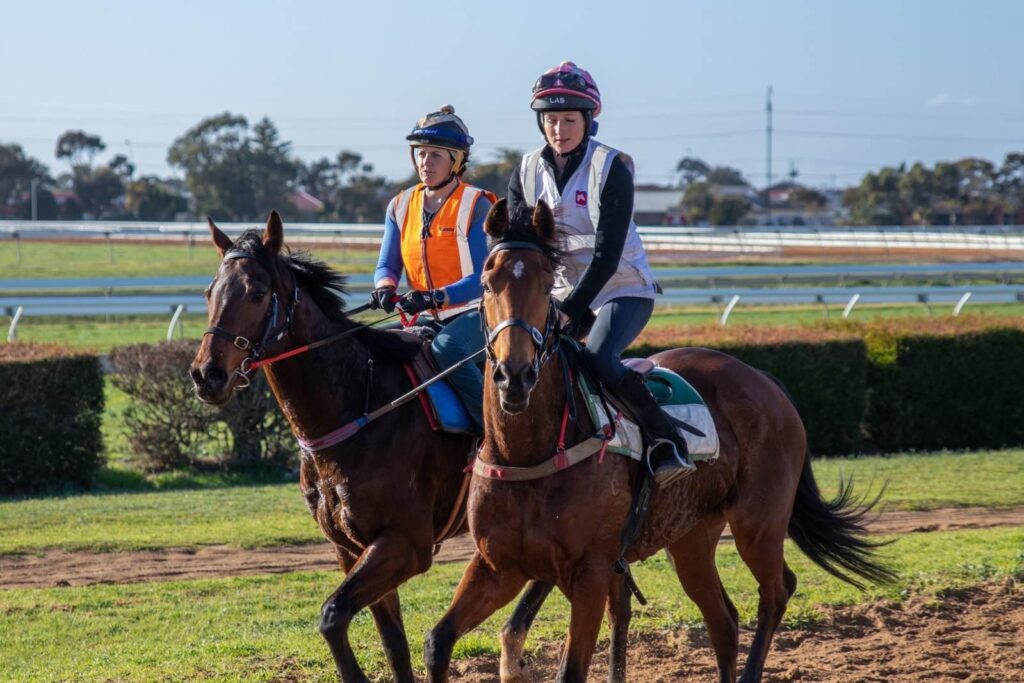
Step 3: Learn Trackwork
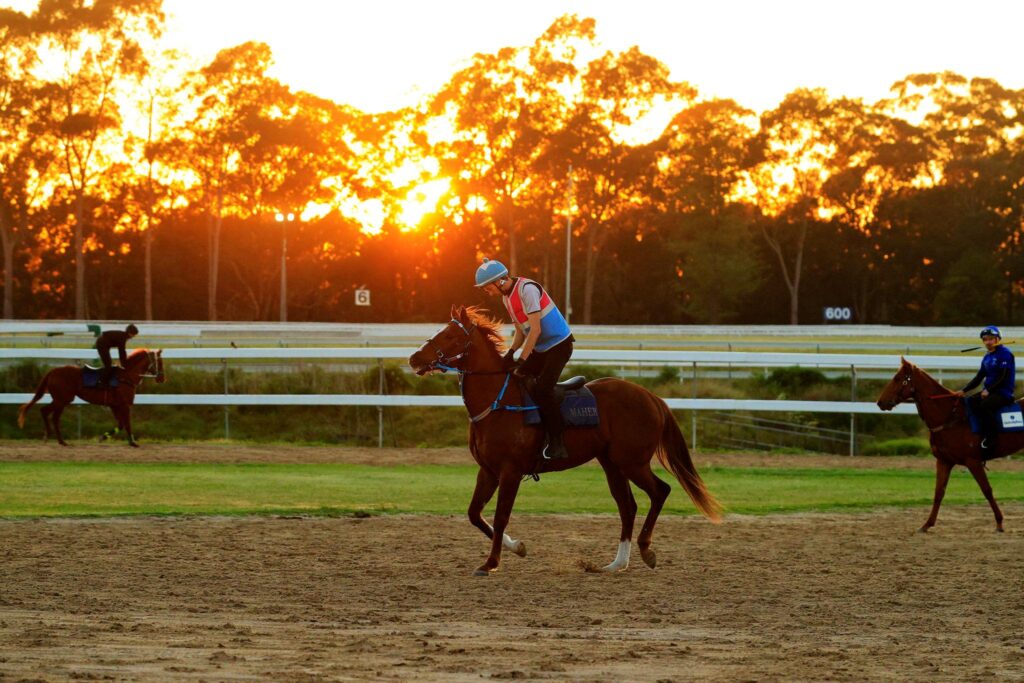
Trackwork is one of the most important parts of the jockey pathway.
Before a horse competes in an official race, it undergoes training designed to improve fitness, speed and racing ability.
Aspiring riders can develop experience by working with trainers and riding horses during training.
Trackwork teaches riders how horses move at different speeds and how to maintain control while travelling alongside other horses.
It also introduces riders to the routines of professional racing.
Step 4: Enter the Apprentice Pathway
For aspiring professional jockeys, the apprentice pathway can provide a structured route into racing.
Australia has racing-specific training programs, including the Certificate IV in Racing (Jockey). The qualification can support people progressing toward professional jockey work, subject to the relevant racing authority’s licensing requirements.
An apprentice jockey generally works under a trainer while developing riding skills and gaining experience in competitive racing.
This creates a valuable combination:
Education + Stable Experience + Trackwork + Race Riding
Step 5: Learn Race Tactics
Being physically fit is not enough to become a successful jockey.
Race tactics are equally important.
A jockey must understand:
- Starting position
- Pace
- Track conditions
- Positioning
- Other horses
- Timing
- When to conserve energy
- When to make a move
- The characteristics of the horse being ridden
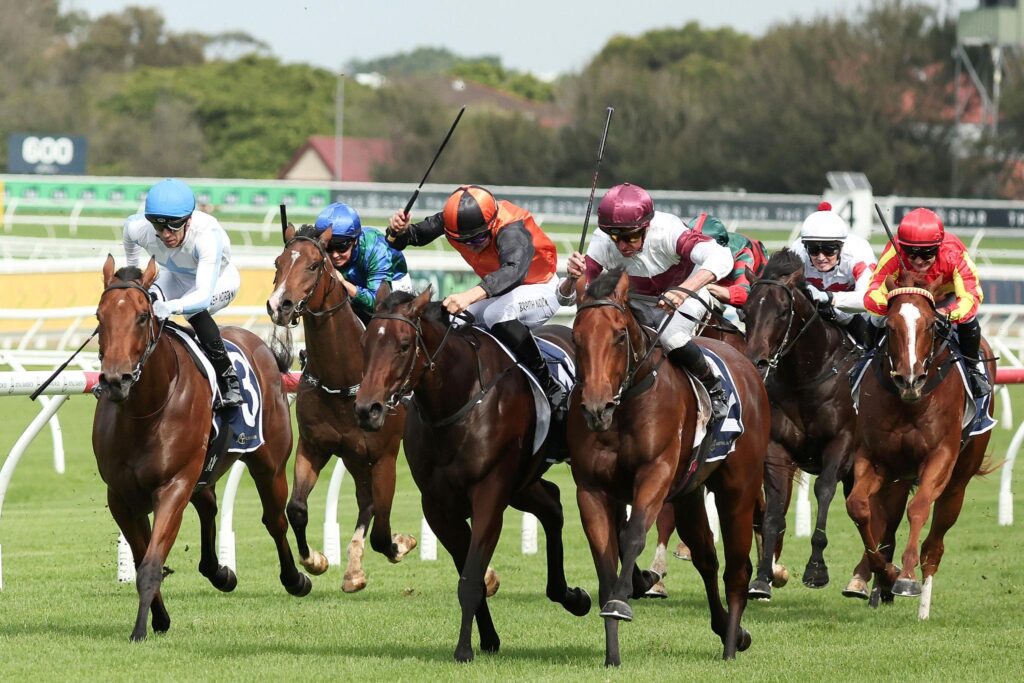
A race can change in seconds.
A jockey may need to move from the inside rail, find a gap between horses or position their mount for a final sprint.
Experience is one of the best ways to develop this tactical understanding.
Step 6: Build Relationships With Trainers
Trainers play an important role in a jockey’s career.
A trainer needs confidence that a jockey understands instructions and can make sensible decisions during a race.
For an emerging jockey, developing strong professional relationships can lead to more opportunities to ride.
Communication is particularly important. Before a race, the jockey may discuss the horse’s strengths, preferred racing position, temperament and likely race strategy with the trainer.
Step 7: Ride in Competitive Races
Eventually, preparation leads to the biggest step: competitive race riding.
This is where training becomes experience.
Every race provides another opportunity to learn about:
- Different horses
- Different tracks
- Race pace
- Competition
- Pressure
- Tactical decision-making
A young jockey’s early races may not always produce victories, but every ride can contribute to professional development.
Step 8: Develop Physical Fitness
Professional jockeys need exceptional physical conditioning.
They must maintain strength, flexibility, balance and cardiovascular fitness while also managing their riding weight.
Fitness can help a jockey remain effective throughout a race and maintain control over a horse travelling at high speed.
Nutrition and professional guidance can also become important parts of a jockey’s career.
Step 9: Build a Reputation
Success in racing isn’t only about winning one race.
Jockeys build reputations over time.
Consistent performances, professionalism, reliability and good communication can help riders attract opportunities from trainers and owners.
A jockey who repeatedly demonstrates good judgement and strong riding skills can gradually gain rides on better horses and larger race meetings.
Step 10: Progress Toward Professional Racing
With experience, successful apprentices can progress toward professional jockey opportunities.
At this point, racing can become a full-time career.
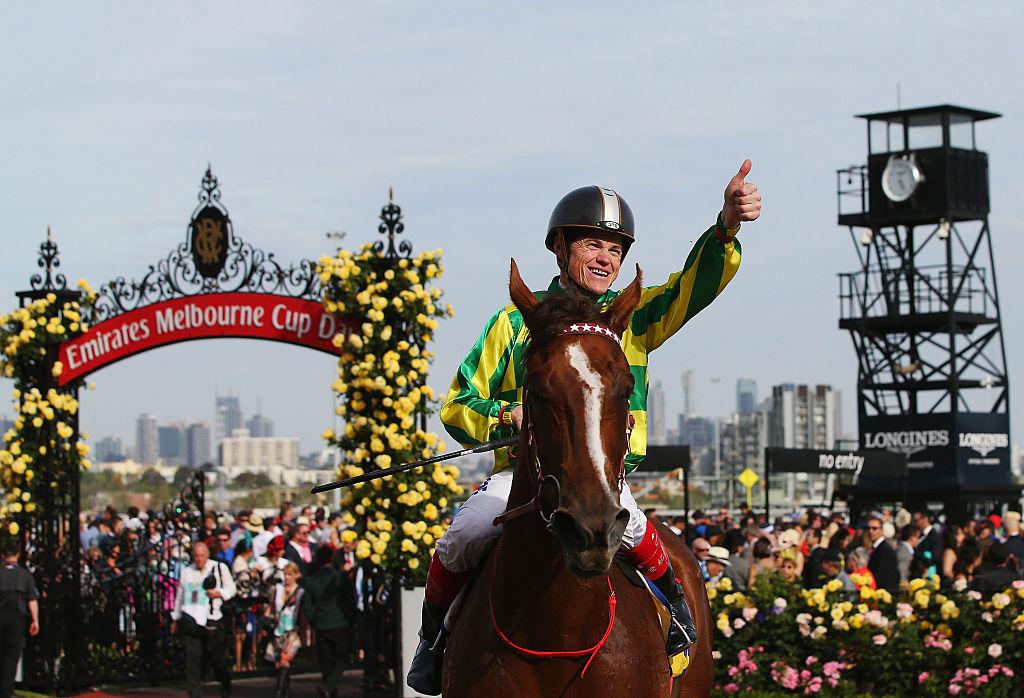
Professional jockeys may compete at metropolitan and regional race meetings and potentially progress toward some of Australia’s biggest racing events.
Major races can provide enormous exposure, but reaching that level generally requires years of preparation and experience.
The Business Side of Being a Jockey
The jockey pathway isn’t only about riding horses.
Professional jockeys become part of a much larger racing business network involving:
Owners → Trainers → Jockeys → Racing Clubs → Sponsors → Media → Betting → Hospitality
A jockey’s performance can influence the profile of a horse, trainer and racing stable.
This is why successful jockeys can become important figures within the wider racing industry.
What Makes a Great Jockey?
There is no single formula for becoming successful.
However, some qualities are particularly important:
Discipline — Racing requires consistent preparation.
Fitness — Physical conditioning is essential.
Patience — Young riders need time to develop.
Horse knowledge — Understanding the animal is fundamental.
Decision-making — Races can change within seconds.
Communication — Jockeys work closely with trainers and owners.
Mental strength — Racing includes both victories and disappointments.
Professionalism — Reputation matters in a highly competitive industry.
The Complete Jockey Pathway
The journey can be summarised as:
Learning to Ride
↓
Horse Experience
↓
Stable Work
↓
Trackwork
↓
Jockey Training
↓
Apprenticeship
↓
Competitive Races
↓
Experience & Reputation
↓
Professional Jockey
↓
Major Racing Opportunities
From the Stable to the Big Stage
The journey of a jockey begins long before the crowds arrive at a major racecourse.
It may start with a young person learning to ride, followed by early mornings at a stable and hours spent developing skills on the training track.
Eventually, those small steps can lead to competitive racing and, for a select few, opportunities at Australia’s biggest race meetings.
That is what makes the jockey pathway so fascinating. Every professional jockey begins somewhere. The journey from an aspiring rider to the starting gate is built through experience, discipline, education and countless hours around horses.
For anyone dreaming of becoming a jockey, the most important step is not trying to reach the biggest race immediately. It is building the skills, knowledge and experience required to earn the next opportunity.