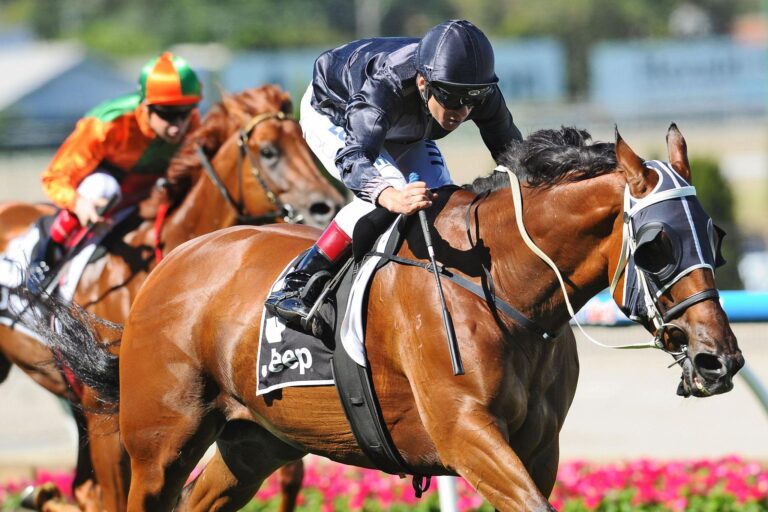
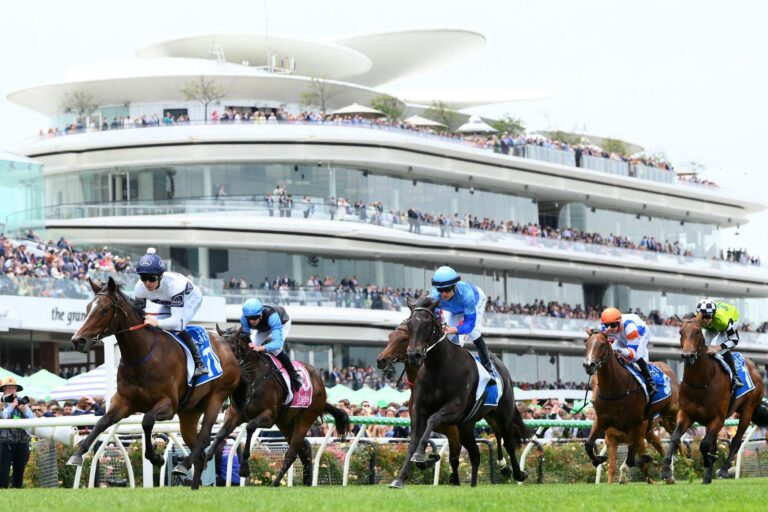
Flemington Racecourse is famous for the Melbourne Cup, but its importance extends far beyond the horses running on the track. Around a major racing venue exists a large network of businesses, professionals and services that work together to create the complete race-day experience.
From hospitality and tourism to equine services, media and event management, Flemington demonstrates how a racecourse can create pathways far beyond racing itself.
From Horses to a Wider Business Ecosystem
A major race meeting requires much more than horses and jockeys. Racecourses depend on a wide range of businesses to operate successfully.
Hospitality teams provide food and beverages, event companies organise experiences, security services manage crowds, transport providers help visitors reach the venue, while maintenance and landscaping teams keep the facilities ready for racing.
Each of these areas creates employment and commercial opportunities connected to the racecourse.
Hospitality and Event Opportunities
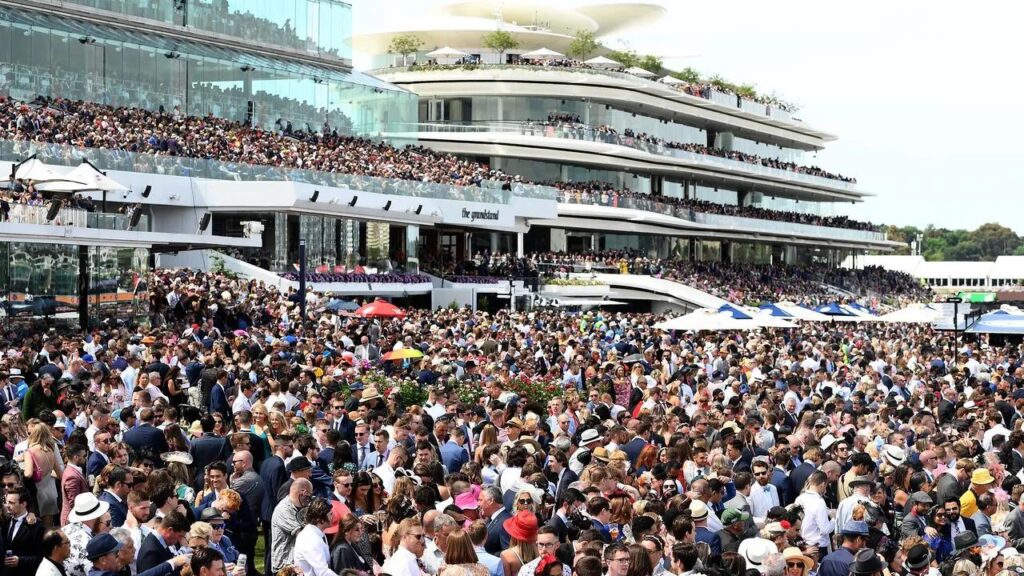
Major Flemington race days attract large numbers of spectators, making hospitality an important part of the experience.
Restaurants, catering companies, event planners, photographers, fashion businesses and entertainment providers can all find opportunities around major racing occasions.
The Melbourne Cup Carnival is particularly significant because it combines racing with fashion, corporate hospitality and entertainment, creating a business environment that extends well beyond the track.
Tourism and Local Businesses
Flemington’s influence also reaches into Melbourne’s wider tourism economy.
Visitors attending major race meetings may require accommodation, restaurants, transportation and other travel services. Local businesses can benefit from increased visitor activity around major racing events.
This creates a pathway connecting horse racing → events → tourism → hospitality → local business.
The Equine Business Network
Behind every racehorse is another network of businesses.
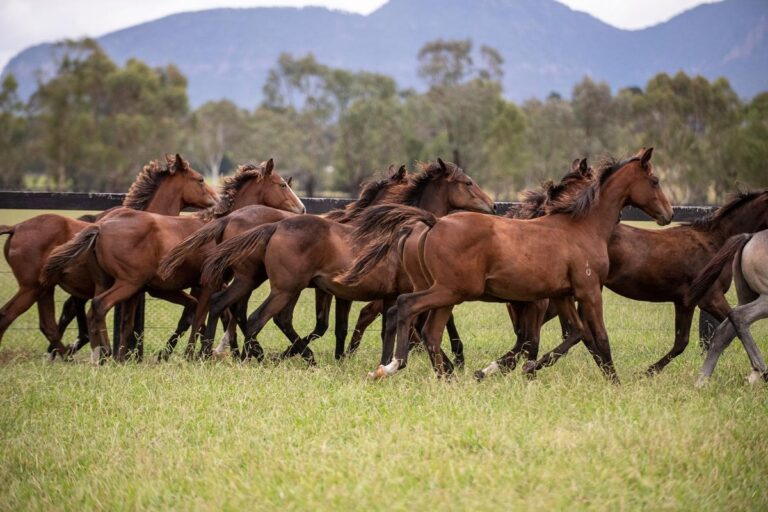
Veterinary professionals, horse transport companies, feed suppliers, farriers, equine equipment providers, trainers and rehabilitation specialists all contribute to the racing ecosystem.
These businesses support horses throughout their preparation and racing careers, demonstrating how a racecourse can generate demand for specialised services.
Then you have bookmakers and the betting industry that help fund a lot of the racing we see today. The list of online bookmakers now far outweighs on course bookmakers with the industry having turned digital and it got amplified when covid hit.
We don’t talk a lot about the betting side of things here but it is a major funding source to racing in Australia.
Media, Technology and Digital Businesses
Modern racing also creates opportunities in technology and media.
Race coverage requires photographers, journalists, broadcasters, digital publishers, social media professionals and technology providers. Data and performance technologies can also support trainers, racing organisations and audiences.
As racing becomes increasingly digital, businesses with expertise in technology, content creation and communications may become even more important.
Career Pathways Around Flemington
The business ecosystem surrounding Flemington creates pathways for people with very different skills.
Someone interested in horses might pursue equine care or veterinary work, while another person could build a career in event management, hospitality, marketing, finance, media or technology.
This is one of the most interesting aspects of the racing industry: not every career connected to racing requires someone to work directly with a horse.
A Pathway Into the Future
Flemington demonstrates how a sporting venue can become an economic and cultural ecosystem.
The horses create the sporting spectacle, but businesses create much of the infrastructure and experience surrounding it. As technology develops, sustainability becomes more important and audiences change, new opportunities are likely to emerge.
The future pathway could therefore look something like:
Horse Racing → Racecourse → Events → Businesses → Careers → Tourism → Innovation → Future Growth
Flemington’s story shows that the impact of a racecourse can reach far beyond the finish line. Its future will not only be shaped by the horses competing on the track, but also by the businesses and people building the world around them.
At Flemington, the race is only one part of the journey—the real pathway extends far beyond the track.