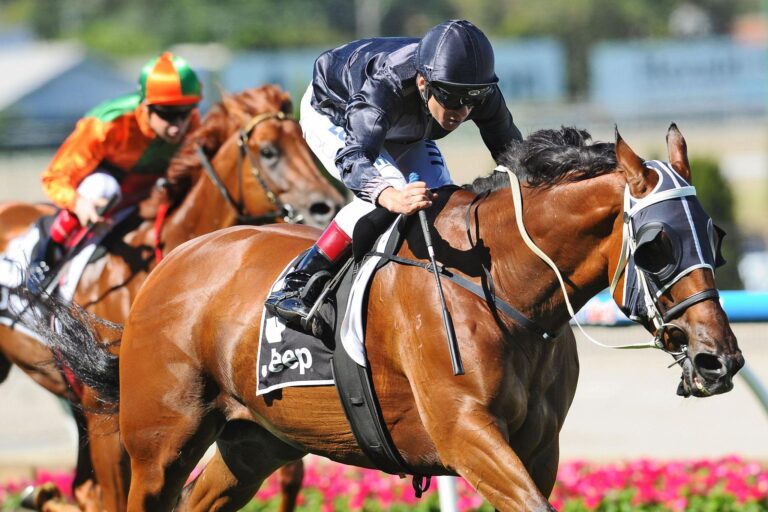
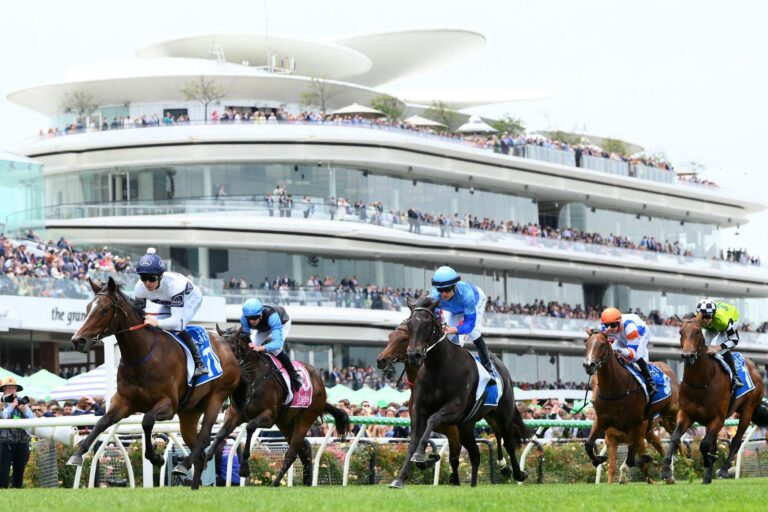
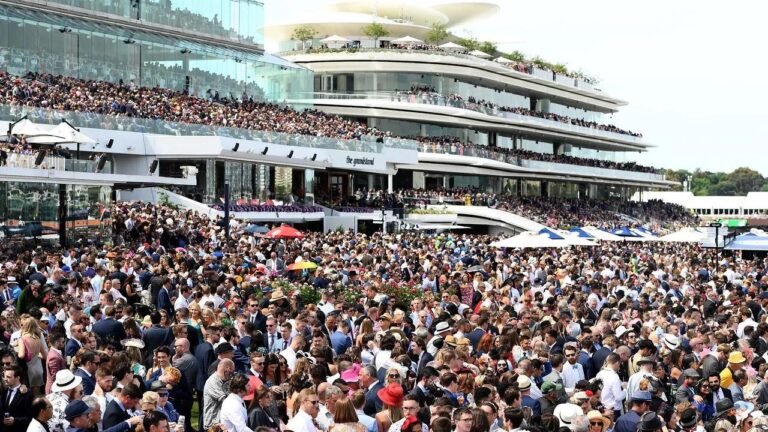
When spectators watch a thoroughbred thunder down the track at Flemington, Randwick or Eagle Farm, the race itself may last only a few minutes. But the journey that brought that horse to the starting gate can take several years and involve an extraordinary network of breeders, trainers, veterinarians, riders, owners and racing businesses.
From its first days on an Australian breeding farm to its development into a competitive racehorse, a thoroughbred passes through several important stages. Each stage can shape its future, and every person involved plays a role in preparing the horse for life on the racetrack.
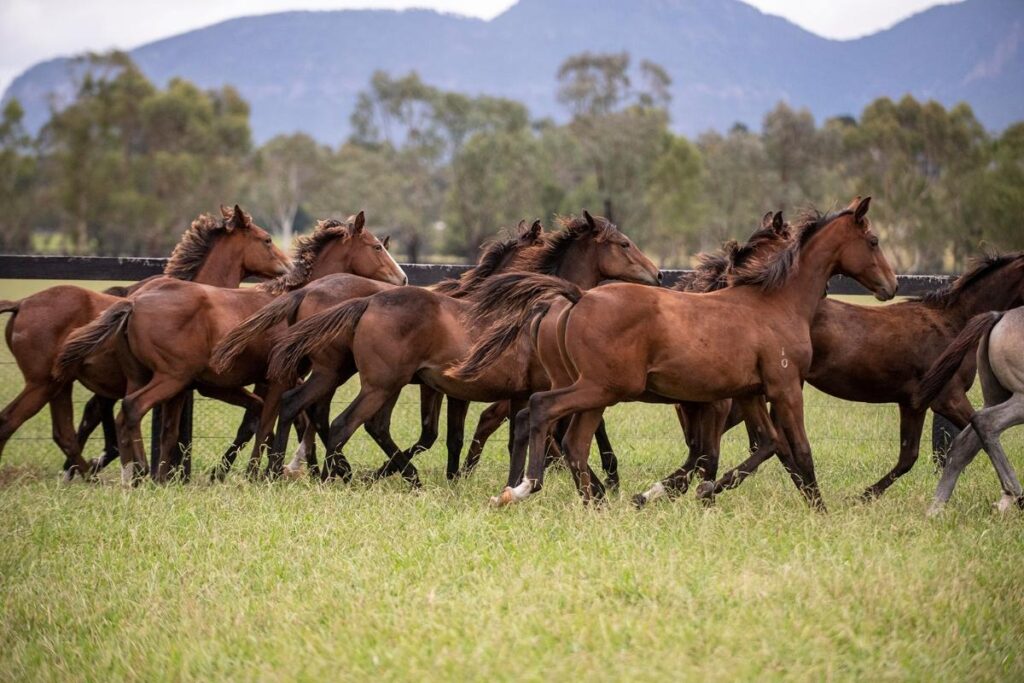
It All Begins With a Foal
The journey begins on a thoroughbred breeding farm.
A newborn foal enters a world designed around careful breeding, nutrition and early development. The mare provides the first important environment for the young horse, while breeders monitor its health and growth.
At this stage, the foal is not a racehorse. It is simply a young horse beginning to develop physically and mentally.
Those early months are important. Good nutrition, regular health checks and appropriate handling help establish the foundations for the horse’s development.
The eventual racing career may still be years away, but the journey has already begun.
Growing Up on a Thoroughbred Farm
As the foal grows, it gradually becomes more independent.
It learns how to move confidently, interact with other horses and respond to people. Breeders and farm staff monitor its development and watch for characteristics that could become important later.
Pedigree is a major consideration in the thoroughbred world, but breeding isn’t simply about a horse’s bloodline. Conformation, movement, temperament and physical development can all attract attention.
The goal is to raise a healthy, well-developed young horse capable of progressing to the next stage.
The Yearling Stage
One of the most significant moments in a young thoroughbred’s life is becoming a yearling.
Yearlings can enter the bloodstock market, where buyers, agents, trainers and owners evaluate their potential.
This is where the racing industry begins to connect the young horse with the business world.
A yearling may be presented at a major sale, where professional buyers study its pedigree, physical characteristics and overall development.
A horse that eventually becomes a successful racehorse may have started its commercial journey at one of these sales.
The Bloodstock Business
The Australian thoroughbred industry has developed a sophisticated bloodstock sector around buying, selling and managing horses.
Bloodstock agents play an important role in this process. They help buyers identify horses that may suit their ambitions, budgets and racing programs.
The purchase of a young thoroughbred can therefore represent the beginning of a major investment.
But buying a promising horse is only the beginning.
The horse still has to be trained, managed and developed before its racing ability can truly be assessed.
From Sale Ring to Stable
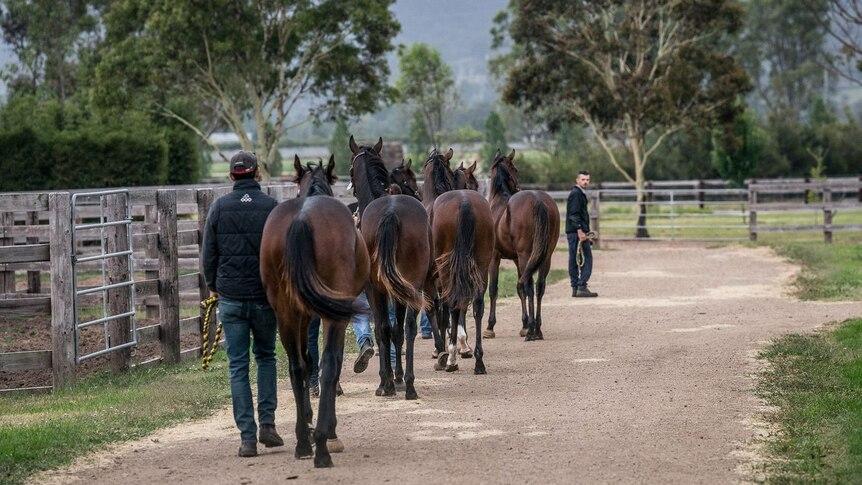
Once purchased, a young horse usually moves into a training environment.
This can be a major change.
The horse begins adapting to a structured routine involving feeding, grooming, handling, exercise and education.
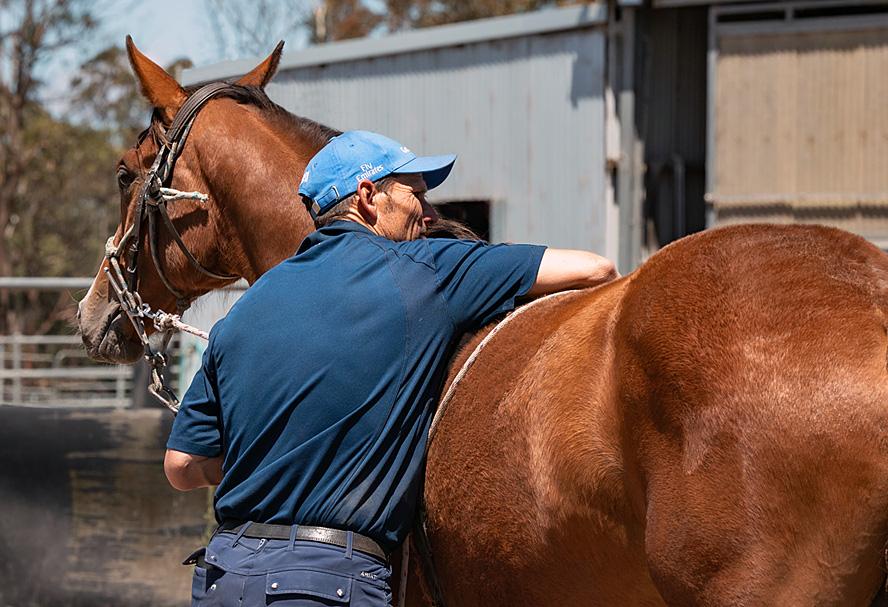
Experienced stable staff gradually introduce the young thoroughbred to the equipment and routines that will become part of its racing life.
Patience is essential.
A young horse cannot simply be pushed into full-speed racing. Its body and mind need time to develop.
Learning the Basics
Early training focuses on education rather than simply speed.
The horse learns how to respond to riders, move in a controlled environment and become comfortable with stable and training routines.
It may eventually begin working on a track alongside other horses.
This stage helps trainers understand the horse’s temperament and physical abilities.
Some horses show early signs of natural speed. Others take longer to develop. Some may excel on particular track conditions or distances.
Every horse has its own journey.
The Importance of Trackwork
Trackwork is where the young horse begins to resemble the racehorse spectators recognise.
Under the supervision of trainers and riders, the horse gradually builds fitness and learns how to work at different speeds.
Trackwork can reveal a horse’s strengths and weaknesses.
Can it accelerate?
Can it settle behind other horses?
Does it handle pressure?
Does it maintain its rhythm when travelling at speed?
These details help trainers determine how the horse should eventually be raced.
The Veterinary Team Behind the Horse
Veterinary professionals are another essential part of the journey.
A racehorse’s health needs to be monitored throughout its development.
Veterinarians can assist with preventative care, injury management, dental care, diagnostic work and broader health assessments.
Alongside them are other specialists, including farriers and equine-care professionals.
The modern racehorse is supported by a team, not a single individual.
Trials and the First Signs of Potential
As the horse becomes more experienced, it may participate in a trial or other preparatory activity before entering official racing.
These opportunities can provide trainers with valuable information about the horse’s readiness.
A young thoroughbred may show natural speed, stamina or a particular racing style.
At this point, owners and trainers begin to think more seriously about the horse’s future.
Which distance might suit it?
Which type of track?
Which races?
How quickly should it be progressed?
These decisions can influence the next stages of its career.
Becoming a Racehorse
Eventually, the young thoroughbred reaches the stage where it can begin competing in official races, subject to the applicable racing rules and requirements.
This is the moment when years of preparation finally become visible to the public.
The journey from foal to racehorse has involved:
Breeding → Growth → Yearling Development → Sale → Training → Trackwork → Preparation → Racing
What spectators see on race day is only the final chapter of a much longer story.
The Owner Enters the Picture
Ownership can add another dimension to the horse’s journey.
An owner may purchase a horse privately, through a sale or through a shared ownership structure.
For many owners, racing is about much more than financial results.
They become emotionally invested in the horse’s progress, following its training, attending race meetings and celebrating milestones.
The horse can become a central part of a business, social and sporting experience.
The Trainer’s Role
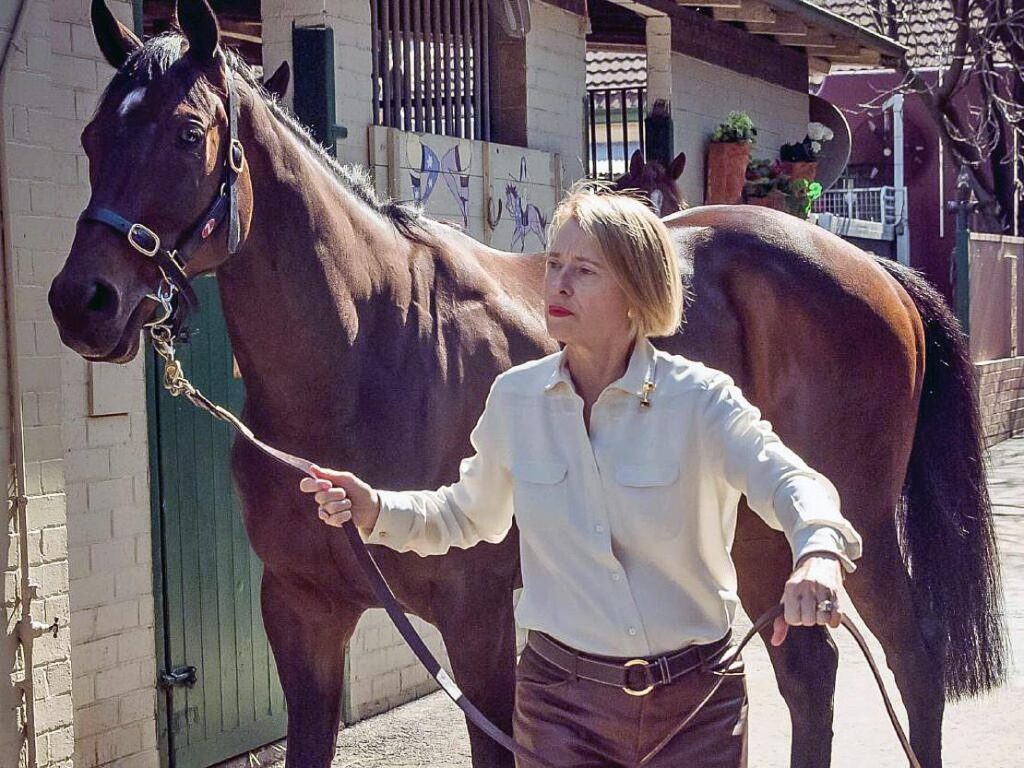
The trainer becomes one of the most influential people in the horse’s development.
They decide how the horse should be prepared, how quickly it should progress and which races may be appropriate.
The trainer also manages communication between owners, riders, veterinary professionals and stable staff.
This makes training both a horsemanship profession and a business responsibility.
A successful trainer must understand the horse while also managing people, schedules, finances and racing opportunities.
The First Race
Nothing matches the anticipation surrounding a horse’s first race.
After years of breeding, growing, educating and training, the horse finally enters a competitive environment.
For the owners, it can be an emotional moment.
For the trainer, it is an opportunity to assess preparation.
For the jockey, it is the first chance to understand how the horse performs under genuine race pressure.
And for the horse, it is the beginning of a completely new chapter.
What Happens After the First Race?
A horse’s first race doesn’t determine its entire future.
Some horses improve dramatically with experience. Others may require different distances, different tracks or changes to their training program.
A horse that appears ordinary early in its career can sometimes develop into a high-class competitor.
This is one of the reasons horse racing remains so unpredictable and fascinating.
Every race provides another piece of information.
The Business Behind the Horse
The journey from foal to racehorse also supports a significant network of businesses.
A single horse can generate demand for:
Breeders → Stud Farms → Bloodstock Agents → Sales Companies → Trainers → Stable Staff → Veterinarians → Farriers → Feed Suppliers → Transport Operators → Jockeys → Racing Clubs → Media
The horse therefore becomes part of a much larger economic ecosystem.
This is one of the most interesting aspects of Australian racing. The value of a racehorse isn’t only found in its performance on the track. Its journey supports an entire network of people and services.
From Racehorse to Racing History
Some thoroughbreds go on to become stars.
They win major races, attract national attention and become part of Australian sporting history.
Others enjoy successful careers away from the biggest headlines.
And some horses simply provide their owners and connections with the experience of participating in racing.
Every horse’s journey is different.
Some become champions.
Some become valuable breeding prospects.
Some move into new careers after racing.
But every one begins with the same remarkable transformation: a young foal gradually developing into a finely trained athlete.
The Journey Doesn’t End at the Finish Line
A racehorse’s career eventually reaches another turning point.
When racing is over, the horse may transition into breeding, retraining or another post-racing pathway, depending on its circumstances.
This means the life of a thoroughbred can extend far beyond its years on the track.
The racecourse is only one chapter.
The Incredible Journey
The next time you watch a thoroughbred race, look beyond the final result.
Think about the foal that once stood beside its mother on a breeding farm.
Think about the yearling assessed by buyers.
Think about the first days in a training stable.
Think about the riders who developed its skills, the veterinarians who monitored its health, the farriers who cared for its feet and the trainers who shaped its racing preparation.
Then consider the owner waiting at the rail as the horse enters the track for a race that may last only a couple of minutes.
That is what makes the journey of an Australian thoroughbred so extraordinary.
From a newborn foal on a breeding farm to a racehorse competing under the lights and in front of thousands of spectators, every thoroughbred carries years of preparation, investment, expertise and human dedication with it onto the track.
And behind every race is a story that began long before the starting gates opened.