Horse racing has been part of Australian sporting culture for generations, but the journey behind every race is far more complex than what spectators see on race day. From breeding and horse ownership to training, jockeys, veterinary care, hospitality and business, Australian racing brings together thousands of people and industries.
For newcomers, understanding where to begin can be difficult. The good news is that there is no single path into horse racing. Whether you dream of owning a racehorse, becoming a jockey, working with horses or building a business around racing, there are several pathways to explore.
Start by Understanding the Racing Industry
The first step is learning how the industry works.
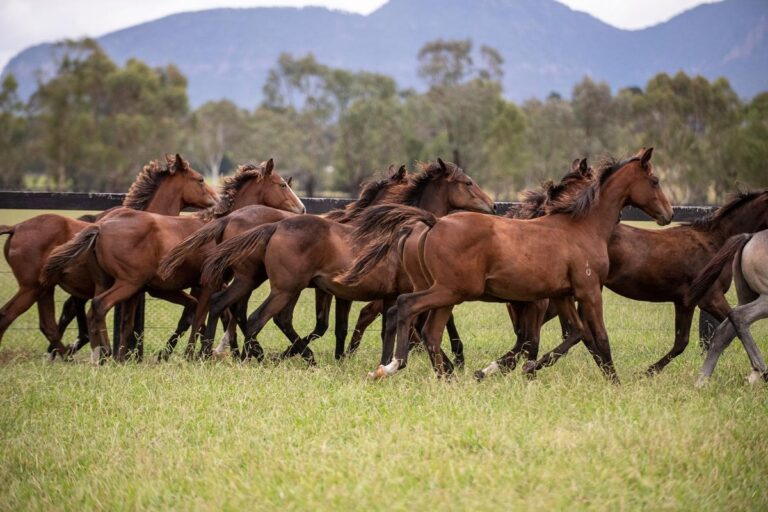
A racehorse’s journey can begin long before it reaches a racetrack. Breeders produce and raise young horses, bloodstock professionals assess their potential, owners purchase or lease them, trainers prepare them for competition and jockeys eventually take them onto the track.
Behind these people are veterinarians, farriers, stable employees, transport operators, feed suppliers, photographers, media companies and racing clubs.
This makes horse racing an entire ecosystem rather than simply a sporting event.
Step 1: Decide Where You Want to Fit In
Before investing time or money, consider what interests you most.
You might want to become:
- A racehorse owner
- A jockey
- A trainer
- A stablehand
- A breeder
- A bloodstock professional
- An equine-care specialist
- A racing administrator
- A racing journalist or photographer
- A marketing or event professional
Understanding your preferred direction makes it easier to identify the right training and experience.
Step 2: Get Practical Experience
Horse racing is an industry where practical experience matters.
Spending time around horses can teach you things that cannot easily be learned from books or videos. Working at a stable, volunteering at racing events or developing relationships with trainers can provide valuable insight into the daily operation of the industry.
For people who eventually want to work professionally with racehorses, entry-level stable experience can become the foundation for further education and career development.
Step 3: Learn About Thoroughbreds
Understanding the horse itself is another important stage.
Learn about:
- Thoroughbred bloodlines
- Horse conformation
- Nutrition
- Fitness and conditioning
- Stable management
- Horse welfare
- Racing rules
- Track conditions
- Veterinary care
- Race preparation
The more knowledge you develop, the better equipped you become to make informed decisions.
Step 4: Explore Horse Ownership
Ownership is one of the most accessible ways for racing fans to become directly involved in the sport.
You don’t necessarily need to purchase an entire racehorse. Depending on the structure available, people can participate through partnerships, syndicates or other ownership arrangements.
This allows multiple people to share the costs and experience of racing a horse.
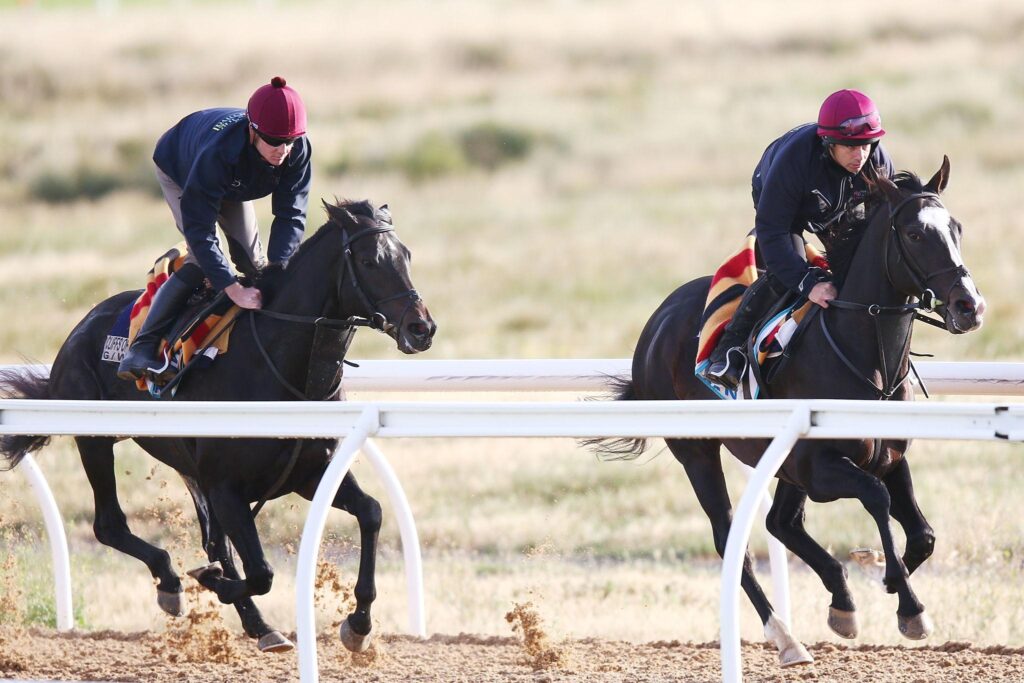
For many racing enthusiasts, ownership provides the opportunity to visit the stable, meet the trainer, watch trackwork and experience race day from a completely different perspective.
Step 5: Find the Right Trainer
Once ownership becomes part of your journey, choosing the right trainer becomes extremely important.
A trainer is responsible for preparing the horse and managing its racing program. They work closely with stable staff, jockeys, veterinarians and owners.
The right trainer should provide clear communication and have a racing philosophy that matches the owner’s expectations.
A strong owner-trainer relationship can become one of the most valuable connections in a racing career.
Step 6: Follow the Horse’s Development
A racehorse does not become a competitor overnight.
The development process can involve education, conditioning, trackwork, trials and eventually race preparation.
Owners can follow this journey from the stable to the racetrack, learning how decisions are made along the way.
This is also where racing becomes a business. Training fees, veterinary services, feed, transportation, equipment and other expenses support a large network of racing-related businesses.
Step 7: Consider the Jockey Pathway
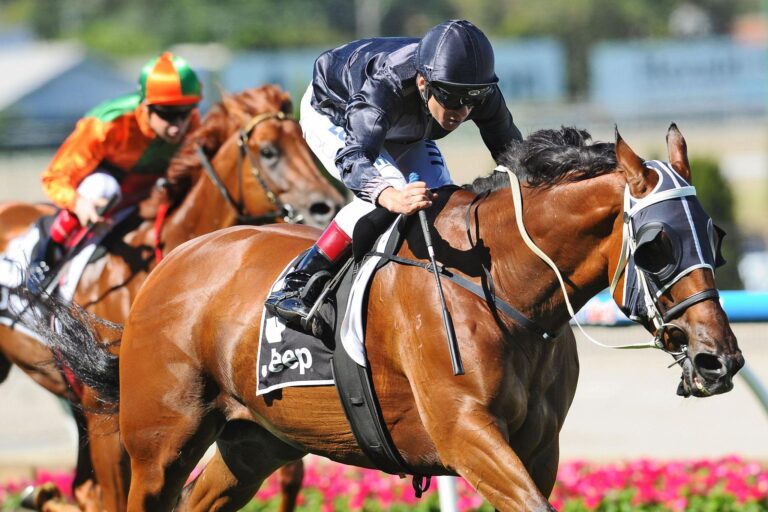
For people who love riding, becoming a jockey can provide a completely different route into racing.
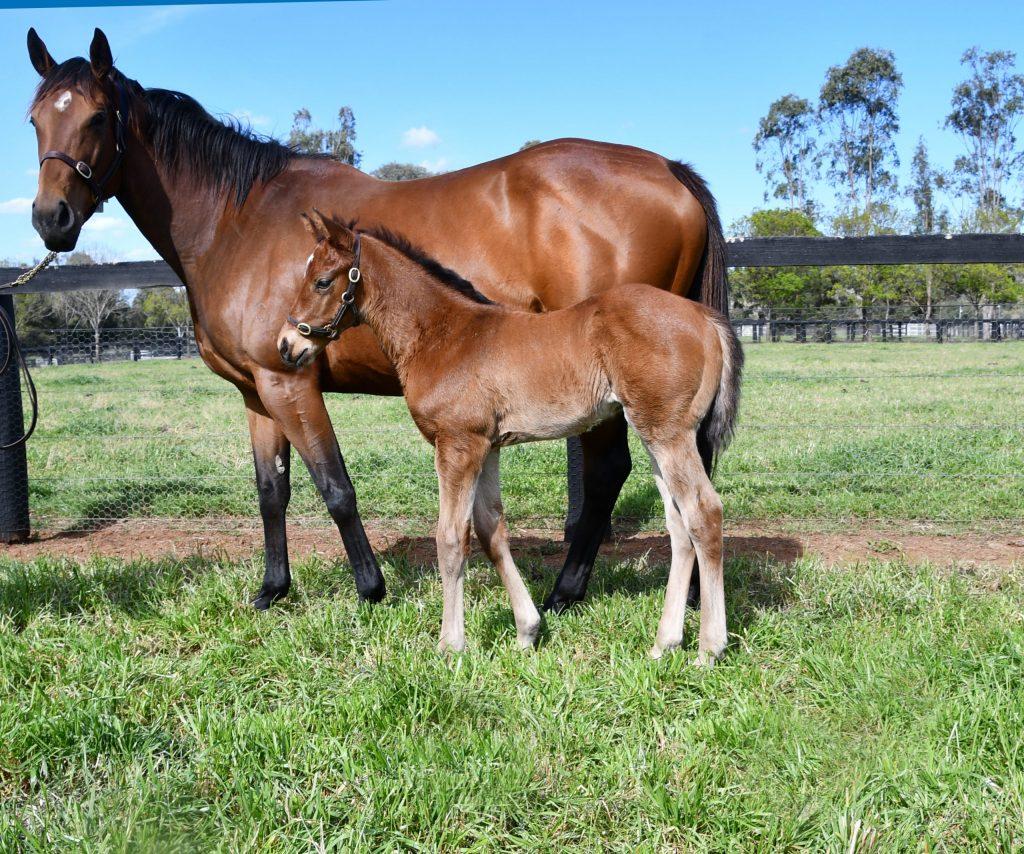
The journey generally involves developing riding skills, gaining experience around racehorses, undertaking appropriate training and progressing through the apprentice system.
Professional jockeys need excellent balance, fitness, discipline and race awareness.
It is a demanding career, but for those who succeed, it provides one of the closest connections to the action on the racetrack.
Step 8: Consider Becoming a Trainer
Some people discover that they enjoy preparing horses more than riding them.
For these individuals, the trainer pathway can become a long-term career.
Experience working with horses can be followed by industry education and the relevant licensing process. Trainers eventually take responsibility for preparing horses, managing staff, communicating with owners and operating what can become a substantial business.
A successful trainer therefore needs more than horsemanship. They also need leadership, organisation, communication and business skills.
Step 9: Explore Thoroughbred Breeding
Another important pathway begins after a horse’s racing career.
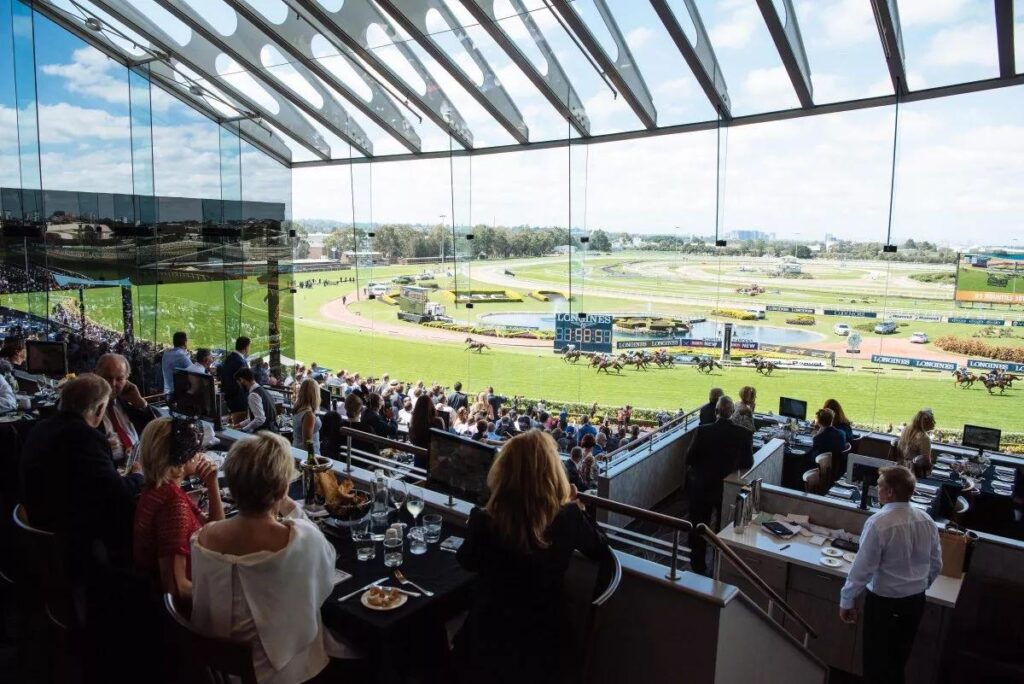
Some successful racehorses eventually enter breeding programs. Their bloodlines can become valuable assets within the thoroughbred industry.
This creates a fascinating connection between racing and breeding.
A horse can move through a long-term cycle:
Breeding → Foal → Yearling → Racehorse → Racing Career → Breeding
Breeding farms, stud operations, veterinarians, bloodstock agents and other specialists all contribute to this process.
Step 10: Discover the Business Behind Racing
Perhaps the most overlooked pathway is the business ecosystem surrounding racing.
A major racing event can generate opportunities for many different industries.
Think about everything required to stage a major race meeting:
Horses → Trainers → Jockeys → Veterinary Services → Transport → Hospitality → Food → Security → Media → Marketing → Tourism → Accommodation → Fashion → Event Management
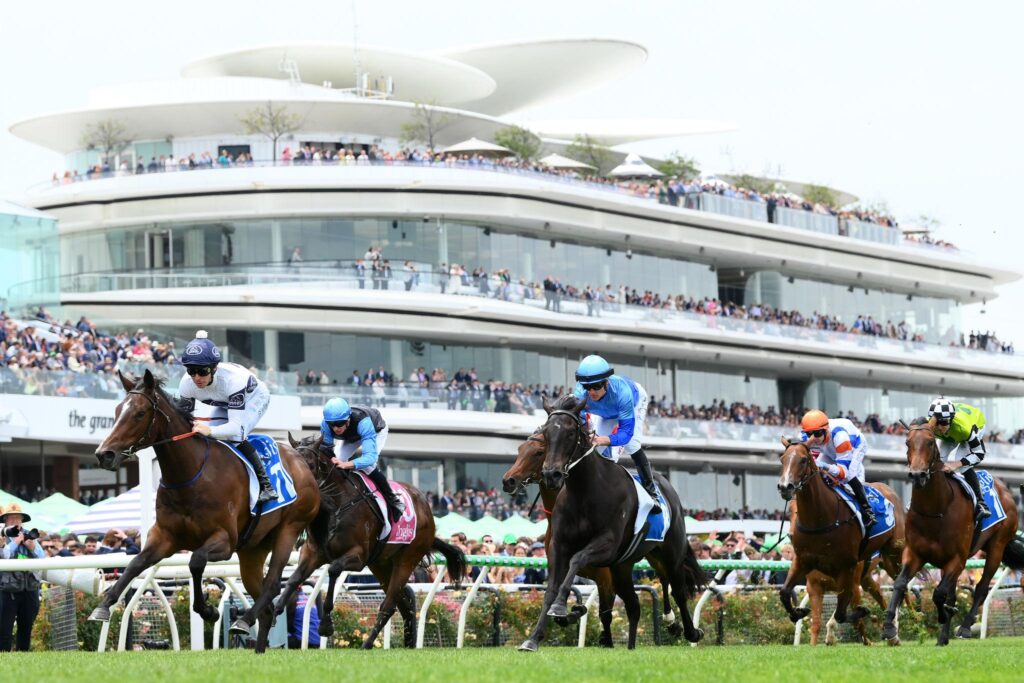
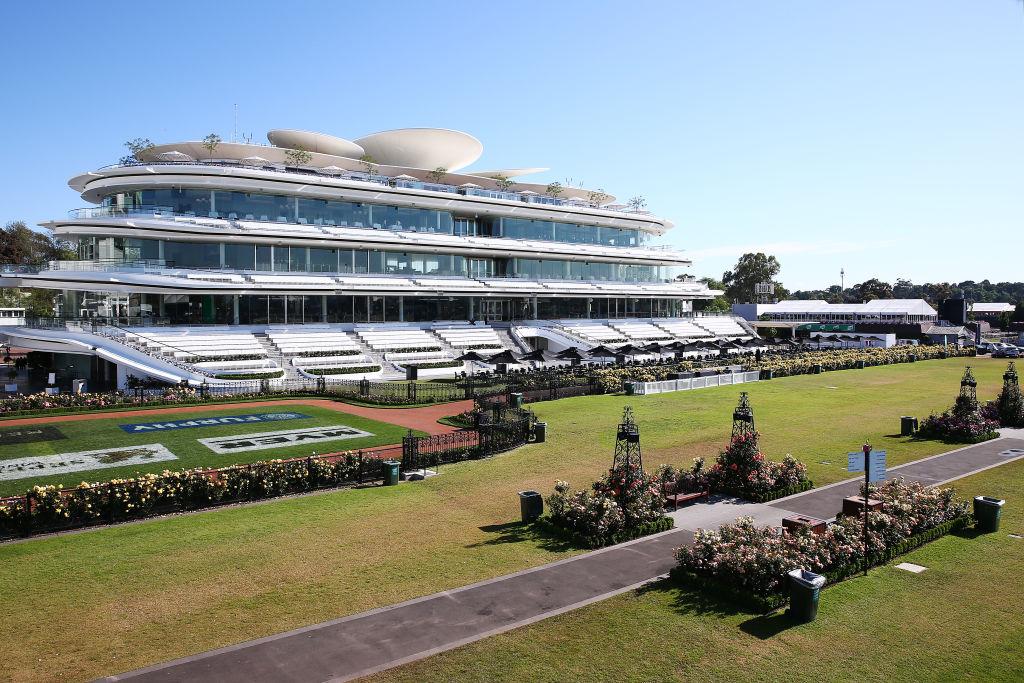
This is why Australia’s major racecourses are much more than sporting venues.
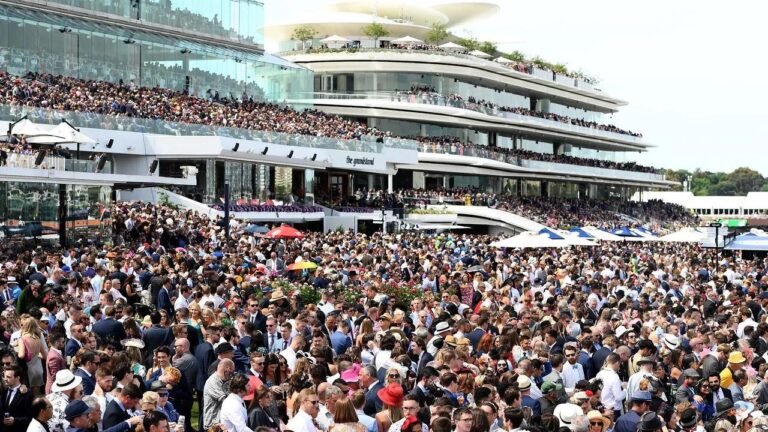
A major race day can attract spectators, businesses, corporate guests, tourists and media organisations. The resulting activity creates opportunities far beyond the track itself.
Step 11: Build Your Industry Network
Networking can make a major difference in horse racing.
Start developing relationships with trainers, owners, breeders, racing clubs and other professionals.
Attend race meetings and industry events. Speak to people working behind the scenes. Learn from experienced participants.
Over time, a simple interest in racing can turn into meaningful professional relationships.
Step 12: Turn Racing Into a Career
The final stage is deciding how far you want to take your involvement.
Some people remain passionate owners. Others progress into professional racing careers. Some establish breeding operations, while others build businesses providing services to the industry.
There are also opportunities outside direct horse management, including:
- Marketing
- Digital media
- Journalism
- Photography
- Hospitality
- Event management
- Administration
- Tourism
- Sponsorship
- Business development
This means someone doesn’t necessarily need to work directly with horses to build a career connected to racing.
The Australian Racing Journey
The pathway into Australian horse racing can therefore be viewed as a journey:
Interest → Education → Experience → Networking → Participation → Specialisation → Career → Business
Each stage creates another opportunity to learn and develop.
For someone standing outside the industry, the world of horse racing can initially appear complicated. But once the different pathways are understood, the industry becomes much easier to navigate.
The Bigger Picture
The starting gate is only one part of horse racing.
Behind every race is an enormous network of people and businesses. A horse requires breeding, nutrition, training, veterinary care, transportation and skilled workers before it ever reaches the track.
And once the race begins, another network comes into play through media, hospitality, tourism, fashion, sponsorship and entertainment.
That is what makes Australian horse racing so interesting. The real journey doesn’t begin when the horses enter the starting gate—it begins years earlier and continues long after the race is over.
For anyone interested in entering the industry, the best approach is to start small, learn continuously, build relationships and choose a pathway that matches their skills and ambitions.
The road into horse racing may begin with a simple fascination with horses, but it can ultimately lead to a career, a business or a lifelong connection with one of Australia’s most established sporting industries.