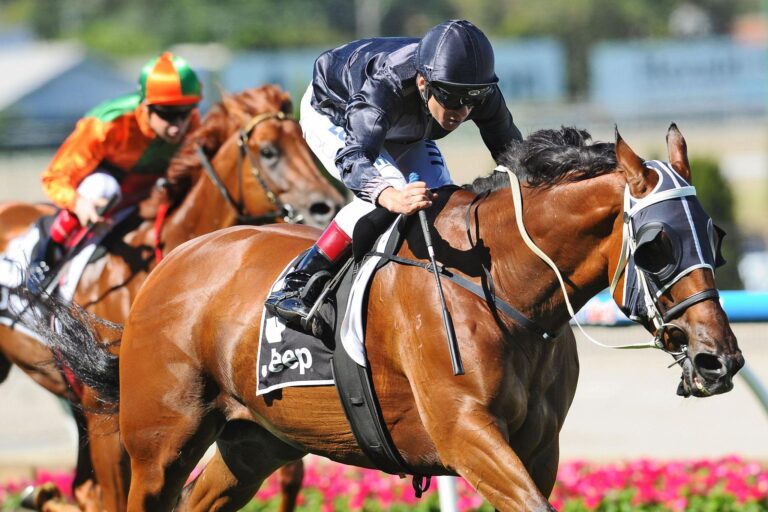
Australia’s horse racing culture is closely connected to its racecourses. From famous metropolitan venues that host major international events to smaller regional tracks surrounded by local communities, Australian racecourses offer a fascinating way to explore the country’s sporting traditions.
For visitors, students and newcomers to Australia, discovering these tracks can also provide an opportunity to experience different cities, regions and aspects of Australian culture.
Famous Tracks Across Australia
Australia has numerous racecourses, but several venues have become particularly recognised because of their history and major racing events.
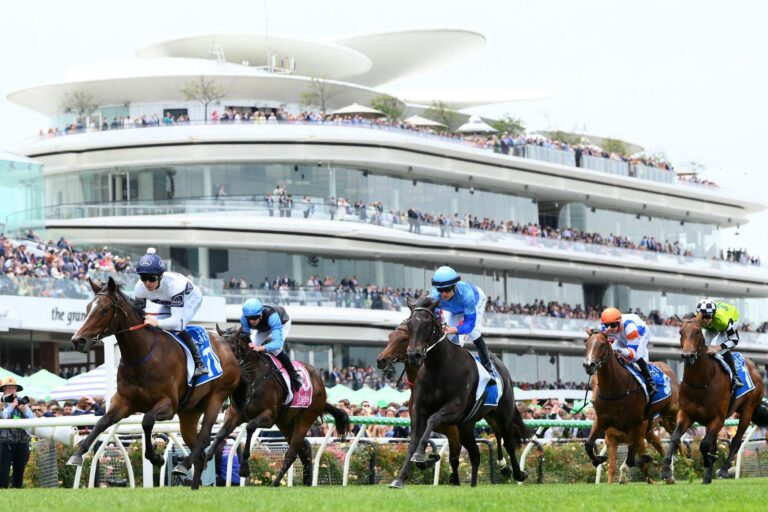
Flemington Racecourse in Melbourne is one of Australia’s most famous racing venues and is strongly associated with the Melbourne Cup. Its large track and historic atmosphere make it an important destination during the spring racing season.
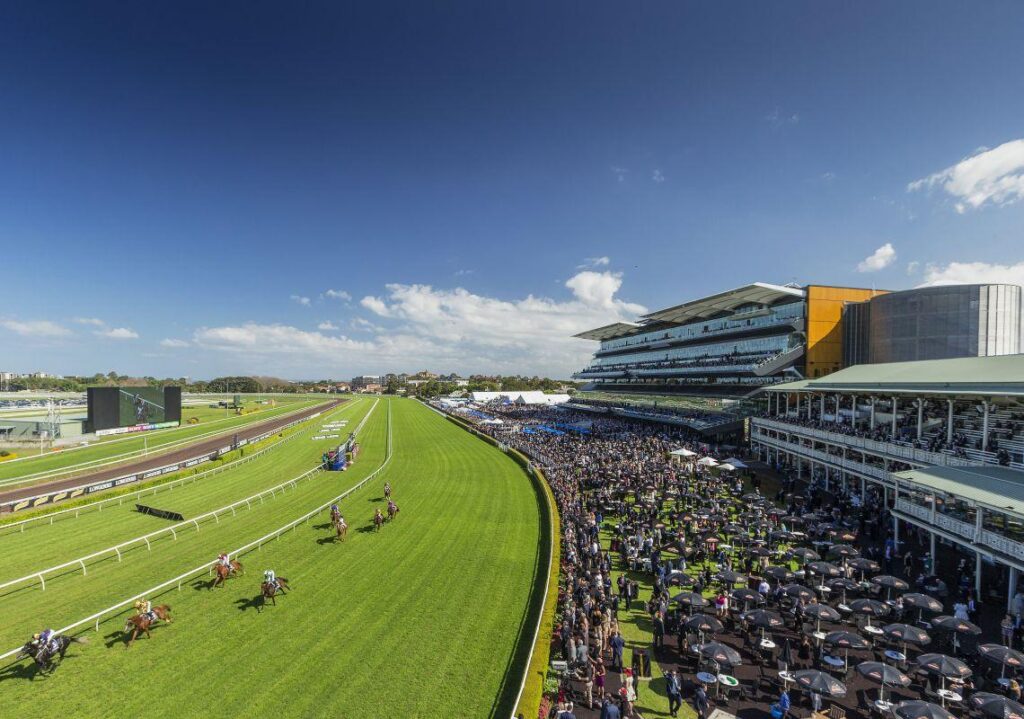
In Sydney, Royal Randwick Racecourse is another iconic venue. It hosts major events throughout the year and forms an important part of Sydney’s racing calendar.
Other well-known venues include Moonee Valley Racecourse, Caulfield Racecourse, Rosehill Gardens and Eagle Farm Racecourse, each contributing to Australia’s diverse racing landscape.
Different Tracks, Different Experiences
One of the interesting features of Australian horse racing is the variety of racecourses.
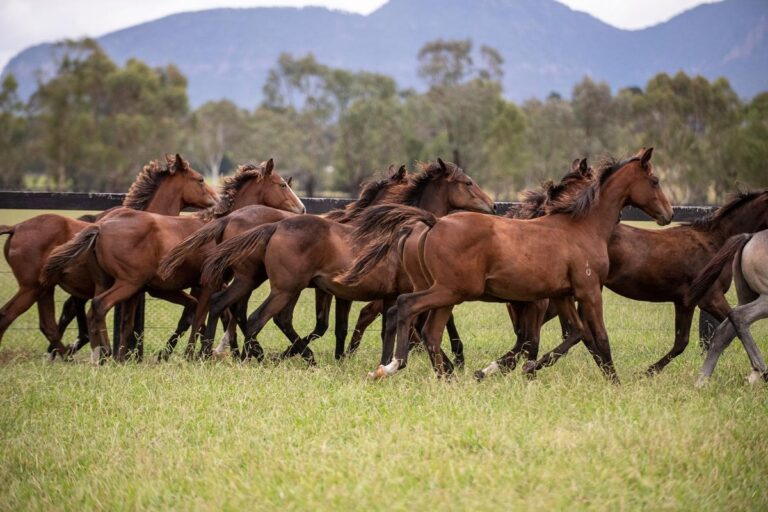
Metropolitan tracks generally host major race meetings and attract large crowds, while regional and country courses often provide a more relaxed community atmosphere. The surroundings can also vary dramatically, from busy city environments to tracks located near rural towns and scenic countryside.
This variety means that exploring Australian racing tracks can become part of a wider journey through the country.
Track Conditions and Racing
Racecourses are not identical, and track conditions can influence how races are run. Australian tracks may be described using classifications such as Good, Soft, Heavy or Synthetic, depending on the surface and weather conditions.
Rain, temperature and maintenance can all affect the condition of a track. Understanding these differences is an important part of following Australian racing and gives enthusiasts another reason to learn about individual venues.
Racing Tracks as Part of Local Culture
A racecourse is often more than simply a place where horses compete. Major venues can become gathering places for sporting events, social occasions, entertainment and hospitality.
Regional race meetings can have an especially strong connection with local communities. Events such as country cups and picnic race meetings often bring together residents, visitors and participants for a day of sport and entertainment.
For people new to Australia, attending a race meeting can therefore provide a different perspective on local life and sporting culture.
A Journey Across Australia’s Racing Regions
Exploring Australia’s racecourses can also create an interesting travel pathway. A racing enthusiast might experience the major metropolitan tracks of Melbourne and Sydney before discovering courses in Queensland, South Australia or Western Australia.
Each region has its own racing calendar and atmosphere. Combining racing with sightseeing, local food and cultural experiences can turn a simple race-day visit into a broader Australian adventure.
Beyond the Finish Line
Australian horse racing tracks reflect the country’s diverse sporting landscape. From historic metropolitan venues to community-focused regional courses, they showcase different sides of Australia’s racing tradition.
For anyone interested in Australian sport, culture or travel, exploring these tracks offers a chance to look beyond the headline races and discover the places and communities that help keep horse racing alive.
Whether it is a famous track hosting a Group 1 event or a small country course welcoming its local community, Australia’s racecourses remain an important part of the nation’s sporting identity.