Australian horse racing has a long history, but its future is likely to look very different from its past. New technology, changing audiences, improved training methods and a growing focus on animal welfare are influencing how the industry develops.
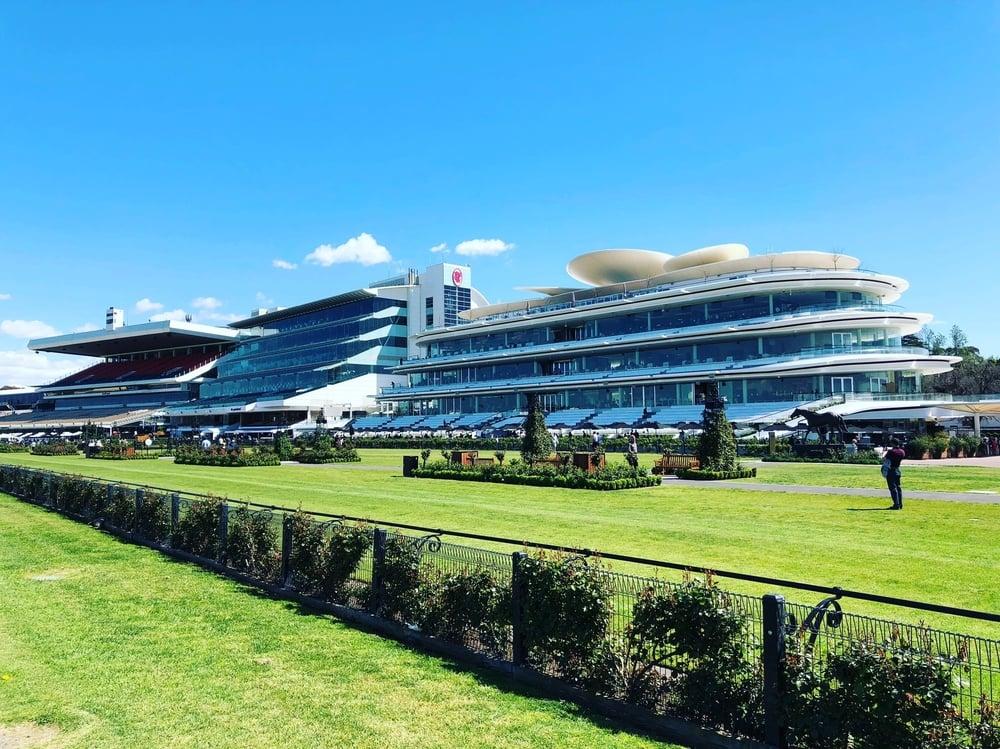
From the racecourse to the stable, the future of racing will depend on how effectively the industry combines tradition with innovation.
Technology on the Track
Technology is already becoming an important part of modern horse racing. Advanced timing systems, race analysis, tracking technology and digital platforms can provide trainers and racing organisations with more information than ever before.
In the future, technology could help participants better understand a horse’s performance, fitness and recovery. Data-driven approaches may allow trainers to make more informed decisions while improving preparation and race planning.
New Pathways for Racing Careers
The future of horse racing is not limited to jockeys and trainers. As the industry becomes more technologically advanced, there may be greater demand for professionals with skills in data analysis, veterinary science, animal care, digital media, marketing and event management.
This creates new career pathways for people interested in combining traditional racing with modern professional skills.
A Stronger Focus on Horse Welfare
Animal welfare is expected to remain one of the most important issues shaping the future of racing. Racing organisations, trainers and veterinary professionals are increasingly focused on responsible horse management, injury prevention, recovery and retirement.
Future developments in veterinary technology and monitoring could provide better ways to understand a horse’s physical condition and identify potential problems earlier.
A sustainable racing industry will need to place the health and welfare of horses at the centre of its future development.
Connecting With a New Generation
The racing industry also needs to attract younger audiences. Digital media, mobile platforms and innovative race-day experiences can help introduce horse racing to people who may not have grown up following the sport.
Social media, behind-the-scenes content and educational material can provide younger audiences with a different way to understand racing and the people who work within it.
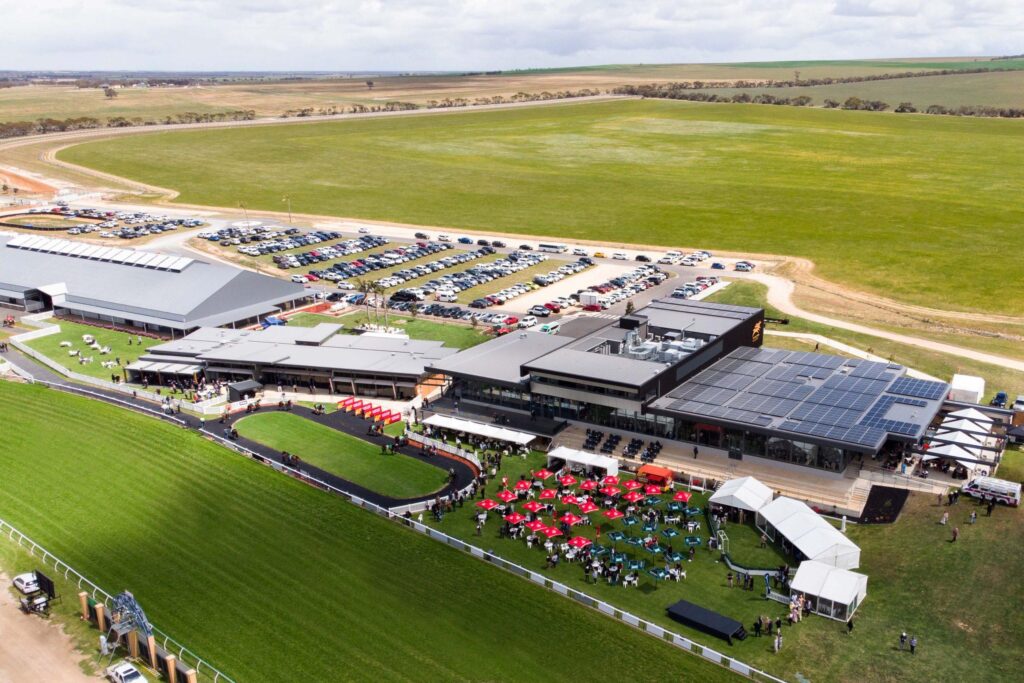
Sustainable Racecourses
Environmental sustainability is another potential pathway for the future. Racecourses require significant resources to maintain tracks, facilities and large event spaces.
Future venues may increasingly focus on water conservation, energy efficiency, waste reduction and environmentally responsible land management. These changes could help racing venues become more sustainable while maintaining high-quality facilities.
Racing Beyond the Traditional Track
The future of horse racing may also involve new ways of experiencing the sport. Virtual content, live digital coverage and improved race-day technology can allow fans to follow events from almost anywhere.
For international audiences, these developments can make Australian racing more accessible and help showcase major events to people who may never have visited an Australian racecourse.
Preserving Tradition While Embracing Change
Australian horse racing has survived and evolved because it has adapted to changing times. Its future will likely depend on finding the right balance between its traditional character and modern expectations.
Technology, welfare, sustainability, new career opportunities and digital engagement could all play important roles in shaping the next generation of Australian racing.
The path forward is therefore not about replacing the traditions that made horse racing popular. It is about developing them responsibly so that racing can remain an important part of Australian sporting culture for years to come.